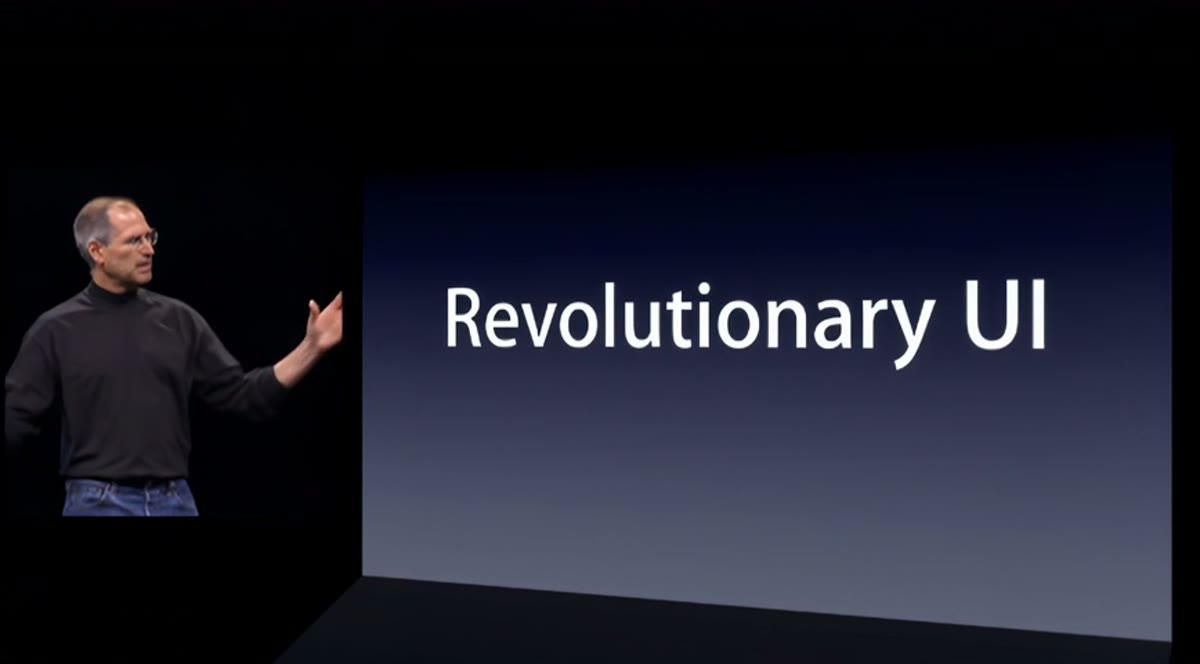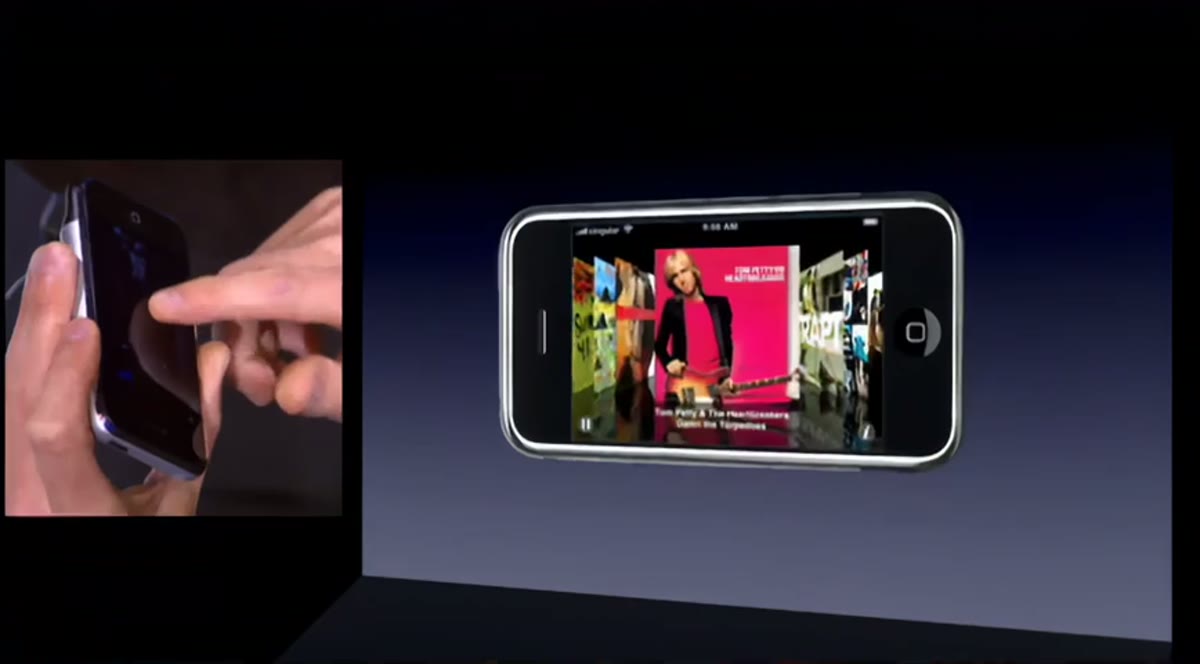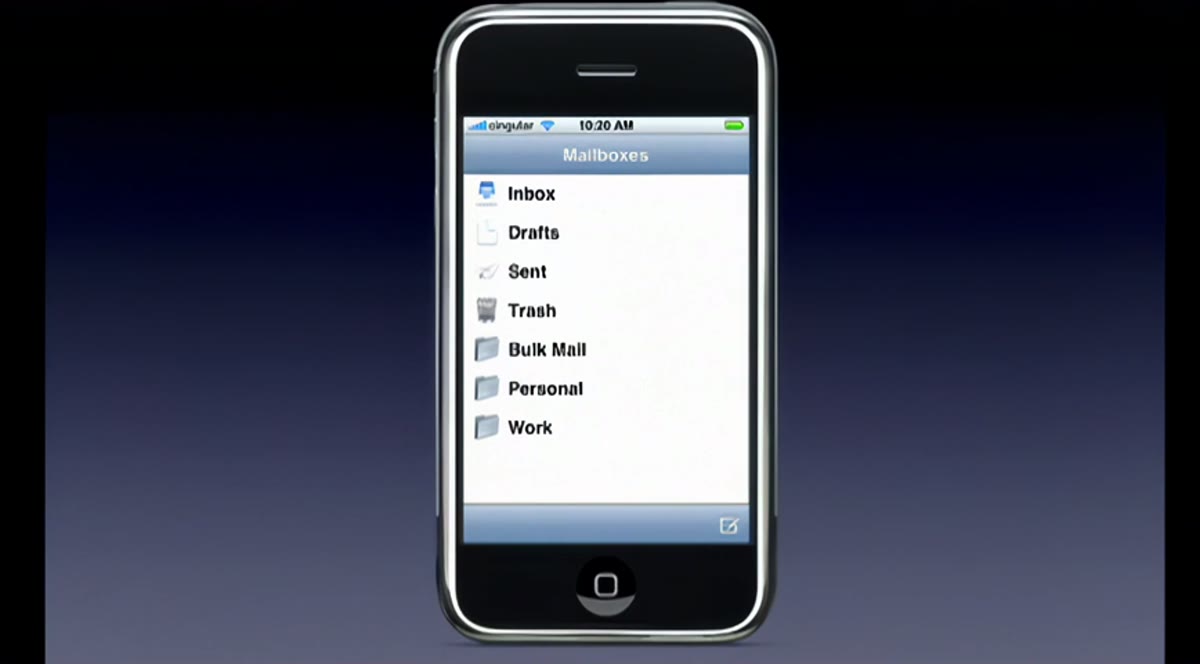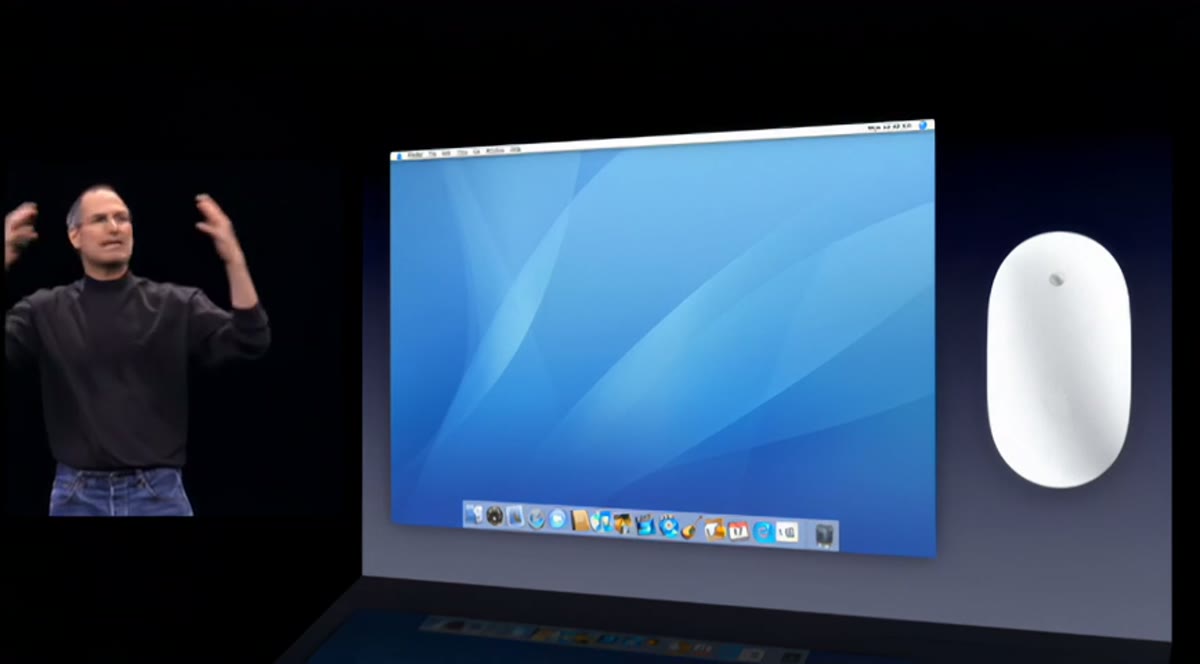
Steve Jobs’s 2007 iPhone presentation was an iconic piece of theatre. A genius-like figure, he introduced the iPhone as three revolutionary products in one: a widescreen iPod, a mobile phone and an Internet communicator. He then demonstrated how these could all work together through the touchscreen. Instead of focusing on technical specifications, Jobs showed the audience what the phone interface could actually do, from new gestures and operations such as scrolling through music and zooming into photos to browsing the web, using Google Maps and making calls. The technology was complicated, but he made the experience look simple and effortless.
Jobs presented the device as a major example of Apple’s innovation, while also boasting about the huge amount of intellectual property Apple had created and protected, with more than 200 patents filed around the iPhone.
Economist Mariana Mazzucato's research into this product has shown that many of the technologies that made the iPhone possible were built on decades of publicly funded research. This includes technologies such as touchscreen technology. Her wider argument is that governments and public institutions often take on the early risks and costs of developing technologies, while private companies can later commercialise them and capture much of the value.